

Looking to register your car in California? This comprehensive guide breaks down the process step-by-step. First, understand the state’s unique car registration requirements. Next, gather essential documents for a seamless VIN (Vehicle Identification Number) verification process—a crucial step in ensuring your vehicle’s authenticity. After passing VIN check, select the right registration class and submit your application along with the required fees. Master these steps, and you’ll be cruising California roads legally and effortlessly!
- Understand California Car Registration Requirements
- Gather Necessary Documents for VIN Verification
- Perform Vehicle Identification Number (VIN) Check
- Choose an Appropriate Registration Class
- Submit Application and Pay Fees
Understand California Car Registration Requirements

Before registering your car in California, it’s crucial to understand the state’s specific requirements for vehicle registration. One key aspect is ensuring that your car passes a Vehicle Identification Number (VIN) verification process, which is a critical step in establishing ownership and the vehicle’s history. This inspection ensures the car matches its recorded specifications and helps deter fraud.
In California, you’ll typically need to conduct a VIN inspection or use a mobile vin verifier service to obtain the necessary information. The VIN number, a unique identifier for each vehicle, is vital during this process. A mobile vin verification service can be particularly convenient, allowing you to complete the check quickly and often on-site, ensuring a smoother registration experience.
Gather Necessary Documents for VIN Verification

Before you start the registration process, ensure you have all the required documents for VIN (Vehicle Identification Number) verification. This step is crucial as it ensures the vehicle’s history and authenticity. Gather essential papers such as the title or bill of sale, which shows proof of ownership. Additionally, a valid driver’s license or state-issued ID card is mandatory.
For a seamless mobile vin inspection or vin inspection, bring along any registration documents related to previous owners, if applicable. It’s also beneficial to have maintenance records and warranty information handy. These documents play a vital role in the verification process, ensuring your vehicle’s compliance with California’s regulations.
Perform Vehicle Identification Number (VIN) Check
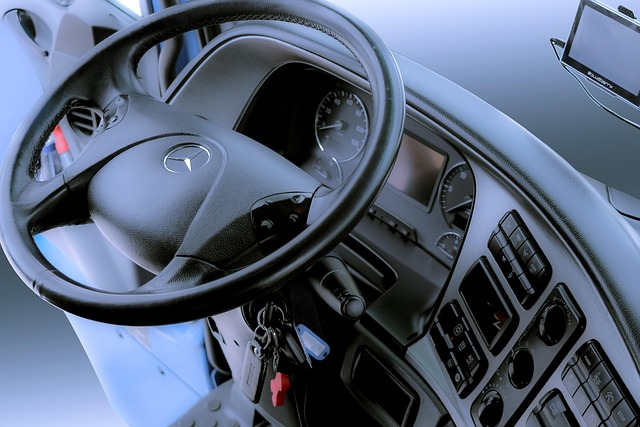
Before you register your car in California, it’s crucial to perform a Vehicle Identification Number (VIN) check. This verification process ensures that the vehicle you’re looking to register is genuine and has not been reported stolen or had any previous accidents or damage. A VIN inspection involves checking the unique 17-character code etched into the vehicle’s chassis, which can be done through a mobile vin verifier or by visiting a DMV office.
Using a mobile vin inspection tool is convenient as it allows you to conduct the check from the comfort of your home or on the go. Simply input the VIN and the device will pull up essential information about the car, including its make, model, year, and any reported issues. This step is an integral part of the registration process in California, ensuring that all vehicles on the road meet safety and legitimacy standards.
Choose an Appropriate Registration Class

When registering your car in California, understanding the appropriate registration class is crucial. Different classes are designated for various types and ages of vehicles, ensuring a fair and efficient system. The primary factor determining your vehicle’s class is its weight and engine displacement, with heavier or larger engines typically requiring more extensive documentation and higher fees.
One key step in this process involves a VIN verification, which can be conveniently arranged through a mobile vin inspection service. This service sends a professional to your location for a comprehensive check of your vehicle’s Vehicle Identification Number (VIN). They’ll confirm the vehicle’s make, model, year, and other vital details, ensuring accuracy on your registration application. Consider using a mobile vin verifier to streamline this essential part of the registration process.
Submit Application and Pay Fees

After ensuring your vehicle meets all California requirements, it’s time to submit your application for registration. Gather all necessary documents, including proof of insurance, and complete the official DVLA form. You’ll also need to pay the required fees, which vary based on the type of vehicle and its age. A crucial step in this process is vin verification, where you’ll need to provide the Vehicle Identification Number (VIN) for accurate record-keeping.
For a smoother experience, consider using a mobile vin verifier or undergoing a mobile vin inspection service. These options are particularly useful if you have difficulty locating required documents or prefer the convenience of having the process done at your location. With these services, you can ensure that your vehicle’s registration is handled efficiently and correctly, aligning with California’s regulations.
Registering a car in California involves understanding state requirements, gathering essential documents for VIN verification, conducting a vehicle identification number (VIN) check, selecting the right registration class, and submitting an application along with relevant fees. This process ensures that all vehicles on California’s roads meet safety and regulatory standards. Remember to keep your registration up-to-date to avoid penalties and maintain legal compliance.