

Registering a car in California is a vital step for any new owner, ensuring legal compliance and facilitating seamless road usage. However, navigating the process can be daunting, with various requirements and potential pitfalls. This comprehensive guide aims to demystify the procedure, offering a clear, step-by-step approach. We’ll delve into every crucial aspect, from gathering essential documents to the critical role of VIN verification in ensuring vehicle authenticity. By the end, you’ll possess the knowledge to confidently register your vehicle, leaving no room for error.
- Gather Required Documents for Car Registration
- Prepare Your Vehicle for Inspection: VIN Verification
- Choose a California Department of Motor Vehicles (DMV) Office
- Complete the Registration and Title Application Process
- Pay Registration Fees and Receive Your Vehicle's License Plate
Gather Required Documents for Car Registration

Registering a car in California involves several crucial steps, and one of the most critical is ensuring you have all the necessary documents ready. This process begins with gathering key paperwork that verifies your vehicle’s identity and compliance with state regulations. A fundamental aspect of this preparation is accurate Vehicle Identification Number (VIN) verification. The VIN is a unique 17-character code that serves as your car’s fingerprint, making it essential for official record-keeping and tracking purposes.
In California, you may opt for a convenient mobile VIN inspection or verification service, which provides on-site evaluations. This approach streamlines the process by allowing professionals to cross-reference your VIN with state databases to confirm the vehicle’s history and ensure there are no outstanding issues or restrictions. For instance, some services can instantly check for accident reports, odometer rollbacks, or whether the car is reported as stolen. This level of scrutiny is vital to protect consumers from potential fraud.
Along with VIN verification, you’ll require various other documents. These typically include proof of ownership (a title document), a valid driver’s license, and current insurance coverage. It’s also wise to bring along any previous registration records or renewal notices, as these can expedite the process at the California Department of Motor Vehicles (DMV). By preparing these documents in advance, you’ll ensure a smoother car registration experience and avoid potential delays.
Prepare Your Vehicle for Inspection: VIN Verification

Before registering your car in California, ensuring your vehicle passes the State’s rigorous inspection is non-negotiable. A critical aspect of this process involves VIN verification, a meticulous check that ensures the Vehicle Identification Number (VIN) matches the vehicle’s actual make, model, and year. This step is crucial for maintaining the integrity of California’s automotive registry.
The process typically entails taking your car to an approved inspection station where a qualified technician will examine various components, including the chassis, engine, and safety features. However, with advancements in technology, mobile VIN verification services have emerged as a convenient and efficient alternative. These mobile services send a trained specialist to your location, allowing for a streamlined and often faster process compared to traditional inspections. For instance, some companies utilize sophisticated tools to capture high-resolution images of the VIN plate and cross-reference them with database records, providing immediate results.
During mobile VIN inspection, the technician will not only verify the VIN but also assess any potential issues that may impact registration. This includes checking for outstanding warrants or recalls, ensuring all modifications are legal, and verifying the vehicle’s overall condition. For owners of classic cars or vehicles with unique custom builds, this service can be particularly valuable, as it ensures compliance without the inconvenience of a trip to a fixed inspection center. Data suggests that mobile VIN verifications can save time and reduce administrative burdens for both car owners and licensing authorities.
Choose a California Department of Motor Vehicles (DMV) Office
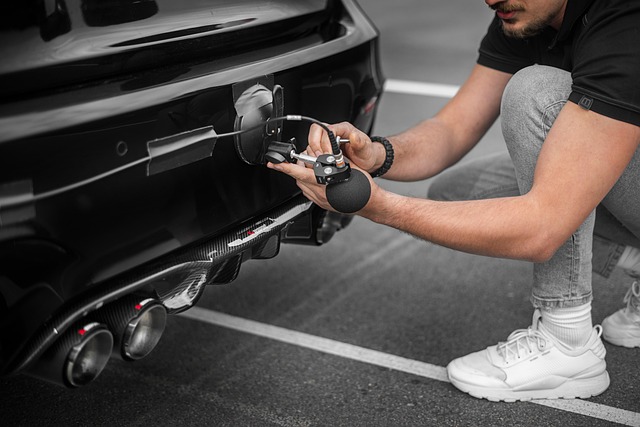
Choosing the right California Department of Motor Vehicles (DMV) office is a crucial step when registering your vehicle. With numerous locations across the state, selecting the appropriate branch can significantly impact your registration experience and time. Consider factors like proximity, waiting times, and specialized services offered. For instance, some DMV offices excel in handling high volumes of transactions, ensuring swift processing for busy individuals or businesses.
For convenience and modern solutions, explore the option of mobile VIN verification or a mobile VIN inspection. These innovative services allow you to obtain critical vehicle information, including a comprehensive vehicle history report, from the comfort of your home or office. A simple scan of your Vehicle Identification Number (VIN) can reveal important details that influence registration, such as previous ownership and maintenance records. This method is particularly beneficial for those with limited mobility or tight schedules.
If you’re located in urban areas like Los Angeles or San Francisco, where traffic congestion is prevalent, opt for DMV offices equipped to manage higher foot traffic. These locations typically offer additional resources and staff to streamline the registration process. Conversely, residents of more remote regions might prefer a mobile VIN verifier, eliminating the need for an in-person visit altogether. By choosing the right DMV office or leveraging mobile services, you can ensure a smoother registration experience tailored to your unique circumstances.
Complete the Registration and Title Application Process

To complete the registration and title application process for your car in California, you’ll need to gather essential documents and successfully verify your vehicle’s Vehicle Identification Number (VIN). This step is crucial to ensure that all records associated with your car are accurate and up-to-date. Begin by obtaining a Clear Title from the previous owner if applicable, which confirms they no longer hold any claims to the vehicle. Next, visit the California Department of Motor Vehicles (DMV) or use their online services to initiate the registration process.
You’ll be required to fill out an Application for Title and Registration (Form MV-1), providing details about your car, including its make, model, year, and VIN. Accurate VIN entry is paramount, as it facilitates efficient vin verification processes. Consider utilizing a mobile vin verifier to cross-reference the number, ensuring no errors or discrepancies. This step is vital, especially with California’s stringent regulations, to avoid delays or issues during future vehicle inspections.
Once your application is submitted, you’ll typically need to pay relevant fees and provide proof of insurance. After approval, the DMV will issue a new registration certificate and update the vehicle’s records, including its title. Keeping accurate and up-to-date records through proper vin inspection procedures ensures that you comply with California’s legal requirements and facilitates seamless transactions when selling or transferring ownership in the future.
Pay Registration Fees and Receive Your Vehicle's License Plate

After completing the registration application process, the next step in registering your car in California is to pay the registration fees. These fees vary based on vehicle type, age, and other factors. You can typically pay these fees online through the DMV website or in person at a local DMV field office. Once your payment is processed, you’ll receive a fee receipt as confirmation.
Before receiving your license plate, you must have your vehicle’s Vehicle Identification Number (VIN) verified. This ensures the accuracy of the data associated with your car and is a crucial part of the registration process. Consider using a mobile VIN verifier for this step; these apps provide a convenient, on-the-go method to complete the verification process. The DMV offers several options for VIN verification, including online services and, in some cases, mobile inspections conducted by authorized agents. It’s important to ensure that any service you use is legitimate to avoid potential scams.
After successful VIN verification, the California DMV will issue your vehicle a license plate. This typically involves scheduling an appointment or visiting a field office with your registration documents, proof of insurance, and valid identification. During this visit, a DMV officer will attach the new license plate to your vehicle, marking its official registration. As part of this process, you might also be able to select additional options like personalized plates for an extra fee.
Remember that mobile VIN inspection services can streamline this process, especially if you’re busy or have limited mobility. These services send a trained professional to conduct the VIN verification at your convenience, making it easier and more efficient to complete the registration of your California vehicle.
Registering a car in California involves several crucial steps, from gathering essential documents to completing applications and paying fees. Key insights include the importance of VIN verification during vehicle inspection, choosing the right DMV office, and ensuring your vehicle meets all legal standards. Proper documentation, including proof of ownership and insurance, is vital. The process culminates in obtaining a license plate, marking the official registration of your vehicle. Always remember to conduct thorough VIN verification for accurate identification and compliance with California’s stringent regulations.