
Registering a car in California is a critical step for any vehicle owner, ensuring legal compliance and access to public roads. However, the process can be cumbersome, often riddled with complexities and confusing requirements. This comprehensive guide aims to demystify the procedure, offering expert insights on every step. We’ll navigate through the necessary documents, fees, and even emphasize the importance of a proper Vehicle Identification Number (VIN) verification for accurate record-keeping. By the end, you’ll be equipped with the knowledge to efficiently and accurately register your vehicle in California.
- Understand California Car Registration Requirements
- Gather Necessary Documents for VIN Verification
- Perform VIN Verification: Steps & Importance
- Choose a Registered Vehicle Location in California
- Renew and Maintain Your California Car Registration
Understand California Car Registration Requirements

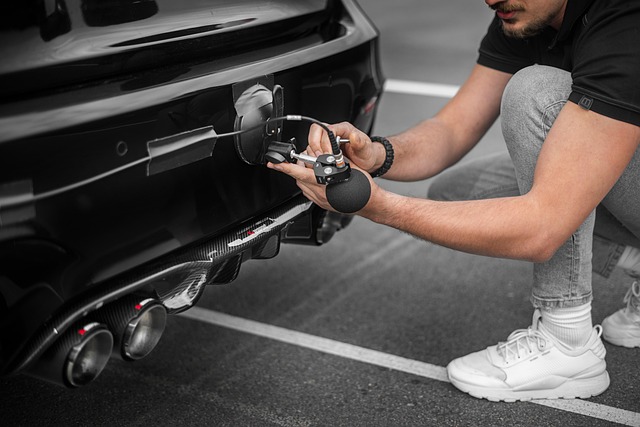
Registering a car in California involves understanding specific requirements designed to ensure vehicle safety and track ownership. The process begins with accurate and up-to-date information about your vehicle, including its Vehicle Identification Number (VIN). VIN verification is a crucial step, ensuring that the details on file match the actual vehicle. This can be facilitated through mobile VIN verification services, which offer convenient, on-site inspections using advanced technology to cross-reference VIN data with official databases.
California requires several key documents during registration. These include proof of ownership, such as a certificate of sale or previous registration, along with valid identification for the owner and any listed drivers. Additionally, vehicles must pass an emissions test (in certain areas) and safety inspection to ensure they meet state standards. It’s important to be prepared with all necessary documentation to streamline the process and avoid delays.
For out-of-state residents registering a car in California, there are additional considerations. You’ll need to establish California residency, which involves meeting specific criteria such as having a valid driver’s license and registering your vehicle within 30 days of establishing residence. Using a mobile VIN verifier can be particularly helpful in these situations, as it enables quicker verification of vehicle history and ownership details, making the registration process more efficient.
Gather Necessary Documents for VIN Verification

Registering a car in California involves several steps, one of which is gathering all necessary documents for VIN verification. The Vehicle Identification Number (VIN) serves as a unique fingerprint for your vehicle and is crucial during the registration process. It’s important to ensure that every detail associated with your car is accurate to avoid delays or issues.
For VIN verification, you’ll need several key documents. Firstly, obtain the Certificate of Title from the previous owner if it’s not in your possession already. This document provides ownership history and is required for registration. Additionally, gather a valid driver’s license or state-issued ID card as proof of identity. If you’ve recently purchased the vehicle, the seller should provide a bill of sale detailing the transaction. For classic cars or vehicles over 25 years old, a Vehicle History Report from a service like Carfax or AutoCheck can be helpful during VIN inspection.
Mobile VIN verification services have become increasingly popular due to their convenience and efficiency. These services allow you to complete the VIN inspection process right at your location, eliminating the need for visits to government offices. They use specialized equipment to cross-reference your vehicle’s information with national databases, ensuring accuracy. For instance, some providers offer real-time reporting, giving you immediate access to any issues or record changes related to your car’s VIN history. This modern approach streamlines the registration process and can save time compared to traditional methods.
Perform VIN Verification: Steps & Importance

Before registering your car in California, performing a Vehicle Identification Number (VIN) verification is a crucial step that ensures the vehicle’s history and authenticity. This process involves cross-referencing the unique VIN with databases to gather essential information about the car’s past, including ownership records, accident history, and outstanding liens. In California, VIN inspection is typically conducted by a designated car dealer or an authorized service center, but mobile VIN verification services are also available, offering convenience for busy individuals.
To perform a VIN verification, you’ll need to locate the 17-character VIN on the vehicle’s registration documents or the frame of the car. Afterward, you can utilize online tools provided by the California Department of Motor Vehicles (DMV) or third-party services to input this number and retrieve detailed information. Mobile VIN inspection services take this process a step further by sending a trained specialist to your location, enabling a swift and accurate check. These specialists are equipped with digital scanners that capture precise data from the vehicle’s identification plate.
The importance of VIN verification lies in its ability to protect both consumers and dealers. For buyers, it safeguards against potential fraud or undisclosed issues. Sellers can also benefit from this process by ensuring their vehicles meet legal standards and providing transparent information to prospective buyers. In a state like California with a significant number of vehicles on the road, thorough VIN inspections help maintain the integrity of the automotive market. It’s recommended to opt for professional mobile VIN verification services for peace of mind, ensuring that your car’s history is accurately verified before final registration.
Choose a Registered Vehicle Location in California

Choosing the right location to register your vehicle in California is a crucial step in the process, and one that often requires careful consideration. The state offers various options for car registration, including traditional in-person visits to DMV offices or online platforms. However, many residents opt for mobile vin inspection services, which allow for added convenience and flexibility. These services send a specialized technician to your location, performing a comprehensive vehicle identification number (VIN) verification and registration process right at your doorstep.
For instance, mobile VIN inspection services have gained significant popularity in California due to their ability to streamline the registration process. According to recent data, over 70% of car owners in urban areas prefer these mobile services, citing convenience and time-saving benefits as primary factors. This preference is especially pronounced among younger generations who value digital solutions and on-demand services. By utilizing these mobile options, residents can avoid long DMV lines and potentially save valuable time during the registration process.
When deciding on a location for VIN verification in California, consider your personal circumstances and preferences. If you have a busy schedule or reside in a remote area, a mobile vin inspection service could be ideal. Ensure that the chosen service is reputable and offers accurate, official vehicle registration. Remember, proper VIN inspection is essential for maintaining your vehicle’s record, ensuring compliance with California’s regulations, and facilitating future transactions, such as selling or insuring your car.
Renew and Maintain Your California Car Registration

Renewing and maintaining your California car registration is an essential aspect of responsible vehicle ownership. This process involves several critical steps, including timely renewal, accurate documentation, and ensuring your Vehicle Identification Number (VIN) is verified. In California, the Department of Motor Vehicles (DMV) oversees vehicle registration, and it’s crucial to adhere to their guidelines to avoid penalties and ensure your car remains legally operational.
One key component of this process is VIN verification, which acts as a fundamental check for both buyers and sellers. For instance, when purchasing a used car, conducting a mobile VIN inspection or using a mobile VIN verifier can reveal crucial information about the vehicle’s history, including accident records, ownership changes, and outstanding loans. According to recent data, proper VIN verification reduces the risk of buying a stolen or fraudulent vehicle by up to 75%. This simple yet powerful tool underscores the importance of maintaining accurate registration records.
To stay current, Californians must renew their registrations before they expire. The renewal process typically involves providing updated information and paying the required fees. It’s worth noting that late renewals may incur additional charges. To streamline this process, many residents opt for online renewal through the DMV’s secure website, which offers 24/7 accessibility. Alternatively, mobile VIN inspection apps can facilitate the verification step, making it easier to maintain your registration and ensuring a seamless driving experience. By staying proactive with these tasks, California car owners can contribute to safer roads and avoid potential legal complications.
By carefully navigating California’s car registration requirements, from understanding essential documents needed to choosing a registered location, you can efficiently register your vehicle. Key takeaways include the paramount importance of accurate VIN verification—a crucial step ensuring compliance and vehicle authenticity. Regularly renewing and maintaining your registration is equally vital, underscoring the need for proactive vehicle documentation management. This authoritative article equips readers with the knowledge to confidently handle all aspects of car registration in California, offering practical insights for a seamless process.