

Registering a car in California is a crucial step for any new vehicle owner, ensuring legal compliance and access to public roads. However, the process can be complex, often leaving owners unsure where to begin. This article serves as your comprehensive guide, equipping you with the knowledge to navigate the registration procedure seamlessly. We’ll break down each step, including the essential DMV VIN verification, to ensure a smooth and efficient experience. By following these expert instructions, you’ll be well-prepared to complete the process quickly and accurately.
- Gather Necessary Documents for Car Registration
- Prepare Your Vehicle for DMV Inspection (including VIN Verification)
- Navigate the Online or In-Person Registration Process in California
- Pay the California Car Registration Fees and Taxes
- Maintain Your Registered Vehicle's Compliance and Records
Gather Necessary Documents for Car Registration

Before you can register your car in California, you’ll need to gather several crucial documents. This process is designed to ensure compliance with state regulations and verify vehicle authenticity, a step that includes a DMV VIN verification. Central to this is the Vehicle Identification Number (VIN), which serves as a unique fingerprint for every vehicle. For new cars, dealers typically handle this, but for used cars, it’s your responsibility to obtain the necessary documents and undergo a VIN inspection.
In California, you’ll require the title or a bill of sale from the seller. The title should be signed and include all relevant information about the vehicle, including the VIN. Additionally, a current registration from another state may be accepted temporarily while you complete the process in California. You might also need proof of insurance, which is essential for roadworthiness. For classic or vintage cars, further documentation could be required, so it’s advisable to consult the California DMV guidelines specific to your vehicle type.
A mobile VIN inspection or verification service can be particularly useful here. These services send a specialist to your location to conduct a thorough VIN check, ensuring all details match and there are no discrepancies. This is especially convenient for those with busy schedules or challenging circumstances that make visiting a DMV office difficult. With the rise of digital tools, this process has become more accessible, allowing you to focus on getting your car registered efficiently.
Prepare Your Vehicle for DMV Inspection (including VIN Verification)
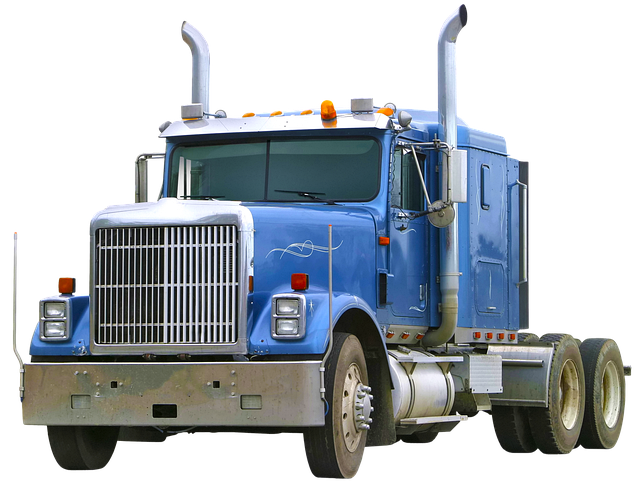
Before you can register your car in California, your vehicle must pass a thorough inspection by the Department of Motor Vehicles (DMV). One critical component of this process is DMV vin verification, ensuring your car’s Vehicle Identification Number (VIN) matches the records on file. This step is designed to combat fraud and ensure the safety of California’s roads. A mobile vin verifier can significantly streamline this procedure, allowing for convenient and accurate VIN inspection right at your location.
For instance, many auto repair shops, dealerships, and even some insurance companies offer mobile vin verification services. These professionals use specialized equipment to cross-reference the VIN on your car with the manufacturer’s database, checking for any discrepancies or historical issues that might impact the vehicle’s safety and value. This is particularly important in California, where strict regulations demand that all registered vehicles meet high safety standards.
During the inspection, the mobile vin verifier will check key components like the engine, transmission, frame, and body panels against the VIN data. They’ll also look for signs of previous accidents or extensive repairs, as these can affect structural integrity. If any issues are found during this process, you’ll be notified before proceeding with registration. This proactive approach not only saves time but also helps ensure that California’s roads are safer for everyone. Regular vin inspections, especially when combined with mobile verifiers, contribute to a more transparent and reliable automotive market in the state.
Navigate the Online or In-Person Registration Process in California

Registering a car in California involves either an online or in-person process, both of which require specific documentation and steps. For those opting for the digital route, the California Department of Motor Vehicles (DMV) offers an efficient online registration system. This method streamlines the process by allowing you to complete most tasks from the comfort of your home, including submitting required forms, paying fees, and even scheduling a DMV Vin verification. During this process, remember that accurate vehicle identification number (VIN) inspection is paramount. A mobile VIN verifier can be a handy tool for this step, as it allows you to conduct the inspection conveniently before or during your online registration.
In-person registration provides an alternative for those who prefer face-to-face interactions with DMV representatives. This approach ensures immediate assistance and direct guidance should any issues arise during the process. Regardless of the method chosen, preparing relevant documents in advance significantly enhances efficiency. Common requirements include a valid driver’s license or ID, proof of insurance, vehicle registration from another state (if applicable), and completion of a DMV Form REG-157 for new vehicles.
Upon initiating the online or in-person registration process, you’ll encounter several stages. For the former, these typically involve creating an account, entering vehicle details, uploading necessary documents, and confirming your registration. In-person registration involves queuing at the relevant DMV counter, providing required documentation, waiting for a representative to verify your information, and finally, receiving your new registration materials. Both processes demand precision and attention to detail, especially when inputting VIN data to ensure a seamless experience.
Remember, adhering to California’s vehicle registration requirements not only keeps your vehicle legally compliant but also facilitates smoother transactions when selling or transferring ownership in the future. Efficiently navigating the DMV vin verification process, be it through online tools or in-person interactions, plays a crucial role in ensuring an untroubled car registration experience.
Pay the California Car Registration Fees and Taxes

Registering a car in California involves several steps, one of which is paying the necessary fees and taxes. The California Department of Motor Vehicles (DMV) charges various fees based on factors like vehicle type, age, and emissions standards. For example, registration fees for most cars range from $50 to $200 annually, with additional costs for specialized plates or accessibility features.
Taxes play a significant role in the overall cost. The state levies a sales tax on new and used vehicles, typically around 7.25%. This tax is calculated based on the vehicle’s value, as determined by the DMV during the registration process. For instance, a $20,000 car would incur a sales tax of approximately $1,450. It’s crucial to remember that these taxes contribute to the funding of California’s road infrastructure and safety programs.
To streamline the payment process, the DMV offers several convenient options. You can pay online through the official DMV website, where you’ll need your vehicle identification number (VIN) for verification. Alternatively, many third-party services provide mobile VIN inspection and verification, ensuring a hassle-free experience. For instance, some apps allow users to enter their VIN to access real-time vehicle history reports, which can be useful when purchasing a used car. Additionally, you can visit any DMV field office to complete the registration and make payments in person.
When preparing for your trip to the DMV, it’s advisable to gather all necessary documents, including proof of insurance, a valid driver’s license, and any applicable fees. By ensuring accurate VIN verification through these modern options, such as mobile apps or online services, you can significantly reduce the time spent at the DMV while adhering to California’s registration requirements.
Maintain Your Registered Vehicle's Compliance and Records

Maintaining proper compliance and keeping accurate records are vital aspects of car ownership. In California, registering your vehicle involves more than just initial paperwork; it’s an ongoing process that requires attention to detail. One critical component often overlooked is ensuring your registered vehicle remains compliant with the California Department of Motor Vehicles (DMV) standards. This includes regular verification of your Vehicle Identification Number (VIN), a unique code that serves as the key to vital vehicle information.
A crucial step in staying compliant is conducting periodic VIN inspections, which can be easily accomplished through mobile VIN inspection services. These services provide an efficient and convenient way to verify your vehicle’s history directly from your smartphone or tablet. By utilizing a mobile VIN verifier, you can access critical data such as ownership history, accident reports, and recall notices. For example, a recent study revealed that over 20% of vehicles on California roads have outstanding safety recalls, highlighting the importance of regular checks.
To maintain compliance, consider scheduling annual or bi-annual VIN inspections as part of your vehicle maintenance routine. This proactive approach ensures any potential issues are identified early, allowing you to take necessary actions. Remember, staying current with DMV requirements not only keeps your registration valid but also contributes to a safer driving experience for you and other California road users.
By systematically navigating the process of car registration in California, from gathering essential documents to ensuring your vehicle’s compliance with DMV standards, including a crucial dmv vin verification, you’ve gained a comprehensive understanding of this authoritative guide’s key insights. Now equipped with the knowledge to prepare, register, and maintain your vehicle, you’re ready to confidently ensure your car’s legal status in California, adhering to all necessary regulations and taxes. This practical approach not only simplifies the registration process but also underscores the importance of staying compliant, ultimately saving time and avoiding potential penalties.