

Registering a car in California is not merely a bureaucratic task but a vital step for vehicle ownership, ensuring compliance with state laws and facilitating responsible vehicle management. However, the process can be complex, especially with varying requirements and stringent regulations. This article serves as your authoritative guide, equipping you with the knowledge to navigate this challenge seamlessly. We’ll demystify each step, from gathering essential documents to utilizing reliable tools like a VIN verifier, ensuring your car registration experience is efficient and stress-free.
- Prepare Necessary Documents for Car Registration in California
- Understand Vehicle Identification Number (VIN) Verification Process
- Gather Information: Owner Details and Car Specifications
- Choose an Approved California Car Registration Location
- Complete the Registration Application: Step-by-Step Guide
Prepare Necessary Documents for Car Registration in California

Before you can register your car in California, you’ll need to gather essential documents for a smooth process. The state requires specific paperwork to verify ownership and ensure vehicle compliance. Among this documentation, the Vehicle Identification Number (VIN) is pivotal. A VIN verifier, whether mobile or stationary, plays a crucial role in this verification process. This unique 17-character code is your car’s fingerprint, offering a wealth of information about its history and specifications.
For instance, a California Department of Motor Vehicles (DMV) agent may utilize a mobile VIN verification service to cross-reference the provided VIN with national databases, revealing previous owners, accident histories, outstanding loans, or any reported thefts. This inspection is vital for identifying potential red flags and ensuring you’re purchasing or registering a vehicle with a clean slate. By employing a mobile VIN verifier, the process becomes efficient, especially for out-of-state vehicles or those with unique make or model combinations.
Additionally, prepare other critical documents like proof of insurance, a valid driver’s license, and sales documentation. These ensure compliance with California’s registration requirements. Remember, an organized approach with all necessary paperwork ready can significantly expedite the car registration process in this vast state.
Understand Vehicle Identification Number (VIN) Verification Process

Registering a car in California involves a meticulous process, and one critical step is ensuring your vehicle’s Vehicle Identification Number (VIN) is verified accurately. This process acts as a cornerstone for establishing ownership and safety standards. A VIN is a unique code that identifies specific features of a vehicle, including its make, model, year, and production details. To ensure the integrity of this information, many California departments of motor vehicles (DMVs) now utilize advanced vin verifier technologies, such as mobile vin verifiers. These tools facilitate remote and efficient VIN inspections, enhancing the accuracy of registration data.
When preparing to register your vehicle, you should obtain a clear, legible copy of your car’s VIN from its interior or engine bay. You may also use specialized online vin inspection services for reference. However, for a more secure and immediate verification, consider employing a mobile vin verifier. These portable devices, often used by licensed inspectors, can quickly scan and validate the VIN against national databases, ensuring there are no discrepancies or indicia of potential fraud. This step is crucial, as incorrect or forged VINs can lead to serious legal consequences.
For instance, in 2022, California’s DMV reported a significant increase in attempted registrations using altered or counterfeit VINs. This trend underscores the importance of proper vin inspection at every stage of vehicle ownership. By utilizing modern mobile vin inspectors, both individuals and authorized personnel can streamline the registration process while safeguarding against potential risks. Always ensure your VIN matches the vehicle’s physical characteristics to avoid any legal complications during future transactions or inspections.
Gather Information: Owner Details and Car Specifications
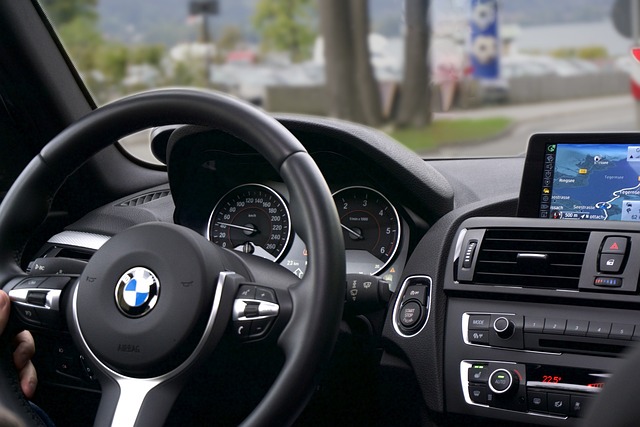
Before you begin the registration process for your vehicle in California, it’s crucial to gather essential information, including accurate owner details and precise car specifications. This step is a cornerstone of ensuring a seamless and legal registration. Start by verifying the Vehicle Identification Number (VIN) using a reliable VIN verifier like a mobile VIN inspection or mobile VIN verification service. These tools provide instant, official data on the vehicle’s history and specifications, which can be done conveniently from your smartphone.
For instance, many California residents opt for mobile VIN verifiers to save time and effort. With a simple scan of the VIN using their phone camera, they gain access to detailed information about the car’s manufacturing date, model year, make, and even previous owners. This data is particularly important when registering a used vehicle, as it helps establish its authenticity and prevents potential fraud. Ensure that you have the following details at hand: the full VIN, owner’s name and address, vehicle description (make, model, year), and any unique identification numbers related to optional equipment or modifications.
Accurate documentation is key. Gather all necessary papers, including proof of ownership, insurance documents, and registration records from previous states (if applicable). Additionally, be prepared to provide personal information like your full name, address, and valid driver’s license details. This comprehensive approach ensures a smooth car registration experience in California, especially when utilizing modern tools such as mobile VIN inspection services for quick and reliable data retrieval.
Choose an Approved California Car Registration Location

Choosing an approved California car registration location is a crucial step in ensuring a smooth and efficient process. The Golden State has stringent requirements for vehicle registration, and selecting the right place to complete this task can significantly impact your experience. One of the key considerations is using a service that offers mobile VIN verification—a modern convenience that allows you to initiate the registration process from the comfort of your own home or even while you’re on the road.
California’s Department of Motor Vehicles (DMV) approves various entities, including some specialized car registration services, to conduct vehicle inspections and registrations. These approved locations are equipped with the necessary technology, such as VIN inspection tools, to verify the authenticity of your vehicle’s identification number (VIN). By opting for a mobile VIN verifier, you can bypass the often crowded DMV lines and avoid waiting times. This is particularly beneficial if you’re registering a new purchase or transferring ownership—a common scenario that requires immediate attention.
For instance, many approved registration services offer door-to-door service, where a trained specialist comes to your location to perform a thorough VIN inspection using cutting-edge technology. This not only saves time but also adds an element of convenience rarely found in traditional DMV services. Furthermore, these mobile verifiers ensure accuracy by cross-referencing your VIN with state records, reducing the risk of errors or fraud that could delay your registration. With the increasing popularity of remote work and digital transactions, mobile VIN verification has become an indispensable tool for efficient car registration in California.
Complete the Registration Application: Step-by-Step Guide

To complete your car registration in California, you’ll need to fill out a Registration Application form (DMV Form 140). This step-by-step guide will walk you through the process, ensuring accuracy and minimizing potential delays. Start by gathering all required documents, including your vehicle’s Vehicle Identification Number (VIN) from its label or engine, current registration (if applicable), proof of insurance, and a valid driver’s license.
Next, visit the California DMV website to access Form 140. Fill out the form meticulously, providing precise information about your vehicle, such as make, model, year, and VIN. Here, a mobile VIN verifier can be invaluable, allowing you to cross-reference the VIN with reliable databases for enhanced accuracy during this critical step. Ensure all details match exactly as specified on official records.
Once Form 140 is completed, double-check your work against the original document provided by the DMV. Verify that all entered data aligns with what’s on file. If using a mobile VIN verification tool, confirm the vehicle’s history and any prior ownership changes to ensure complete transparency during the registration process. Submitting incorrect or outdated information could result in delays or issues down the line.
Registering a car in California involves careful preparation and understanding of key processes, from document gathering to VIN verifier validation. By following these steps—preparing necessary documents, verifying your vehicle’s VIN, gathering owner details and car specifications, choosing an approved registration location, and completing the application—you ensure a smooth process. This comprehensive guide empowers you to navigate California’s car registration requirements with confidence, ensuring your vehicle is legally registered and ready for the road.