
Registering a car in California is not just a bureaucratic formality; it’s a critical step ensuring your vehicle complies with state laws and you’re protected as a responsible owner. However, navigating the process can be daunting, given the stringent requirements and paperwork involved. This comprehensive guide aims to empower California residents by demystifying the registration journey, from gathering essential documents to undergoing crucial VIN verification. By the end, you’ll have the knowledge to smoothly navigate this process, ensuring your vehicle’s legal status and your peace of mind.
- Prepare Your Vehicle Documents for Registration
- Understand California Car Registration Requirements
- Gather Necessary Identification and Proof of Insurance
- Complete the DMV Registration Process Online or In-Person
- Verify Your Vehicle's VIN for Accurate Record-Keeping
Prepare Your Vehicle Documents for Registration

Before you can register your car in California, you’ll need to ensure that all your vehicle’s documents are in order, starting with accurate and up-to-date information regarding its Vehicle Identification Number (VIN). The VIN is a unique code that serves as the fingerprint of your vehicle, making it crucial for registration purposes. In California, you can verify this through various methods, including mobile VIN inspection services that provide convenient, on-site VIN verification.
One of the first steps in preparing your car for registration is obtaining a valid and current VIN report. This document confirms the authenticity of your vehicle’s VIN and its historical data, such as ownership history and any reported accidents or damage. Many California Department of Motor Vehicles (DMV) offices offer mobile VIN verification services, allowing you to check your vehicle’s history in real-time at a location of your choice. These inspections are particularly useful for those who purchase used cars, as they can reveal potential red flags that might affect registration and insurance costs.
During the preparation process, ensure all documentation is organized and accessible. This includes providing proof of ownership, such as a title or bill of sale, along with any necessary repair records or insurance information. By having these documents ready for submission to the DMV, you can streamline the registration process and avoid potential delays. Remember that California has specific requirements for vehicle registration, and accurately verifying your VIN is a critical step in meeting those standards.
Understand California Car Registration Requirements

Registering a car in California involves adhering to strict guidelines set by the California Department of Motor Vehicles (DMV). Before diving into the registration process, understanding the state’s specific car registration requirements is crucial. One key aspect that often requires emphasis is Vehicle Identification Number (VIN) verification. The VIN is a unique code that identifies your vehicle and plays a pivotal role in the registration procedure. In California, every vehicle must undergo a thorough VIN inspection to ensure its authenticity and history.
A mobile VIN verifier or mobile VIN verification service can significantly simplify this process. These services allow for on-site VIN checking, enabling you to verify your car’s VIN without having to visit a DMV office. This is particularly beneficial when dealing with older vehicles or those with complex histories. By utilizing these modern tools, you can streamline the registration process and avoid potential delays caused by inaccurate or missing information.
It’s important to note that during the VIN inspection, various factors are considered, including vehicle age, make, model, and any reported incidents like theft or damage. The DMV employs advanced systems to cross-reference the provided VIN with their records, ensuring its validity. In cases where discrepancies are found, additional documentation may be required to resolve any issues before registration can proceed. For instance, if a vehicle has been restored or significantly altered, detailed records and aftermarket part specifications might be demanded.
Practical advice for consumers is to initiate the VIN verification process early in the registration journey. This proactive approach ensures that any potential issues are addressed timely, preventing registration from being hindered down the line. By understanding these requirements and utilizing available resources like mobile VIN verifiers, Californians can navigate the registration process with confidence and ease.
Gather Necessary Identification and Proof of Insurance
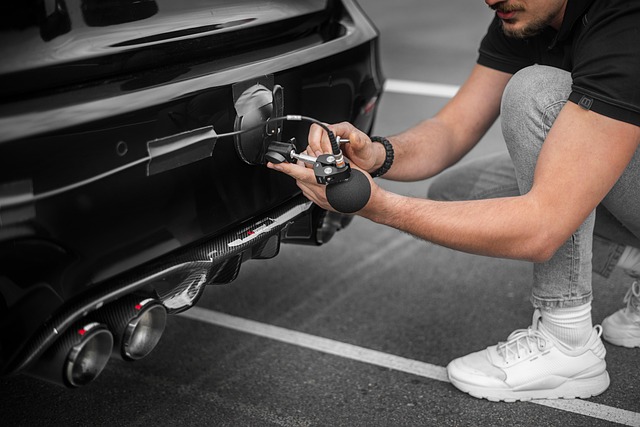
Before registering your car in California, you’ll need to gather several crucial documents and pieces of information. One of the most essential steps is verifying your Vehicle Identification Number (VIN). This process ensures that your vehicle’s details match the manufacturer’s records, a critical step in preventing fraud. You can facilitate this with a mobile VIN inspection, where a professional uses specialized tools to perform a VIN verification right at your location. This service is particularly useful if you’ve recently purchased a used car, as it helps establish ownership and vehicle history.
Additionally, you must provide proof of insurance. California requires all vehicles on its roads to be insured, and you’ll need a valid policy with adequate coverage to meet state minimums. Ensure your insurance company provides you with a certificate or card detailing your coverage. If you’ve recently switched insurers, obtain a letter from your new insurer confirming your coverage before proceeding with registration.
Other required documents include your driver’s license, proof of residency (like a utility bill), and the Certificate of Title (if applicable). For out-of-state residents registering a car in California, you might need additional forms and documentation to establish ownership and complete the transfer process. Always consult the California Vehicle Department (DMV) website or visit a local DMV office for the most accurate and up-to-date requirements.
Complete the DMV Registration Process Online or In-Person

Registering a car in California involves several steps, with two primary options for completion: online or in-person at a DMV office. The former offers convenience and speed while the latter ensures direct interaction with official representatives. Regardless of your chosen method, accurate vehicle identification number (VIN) verification is paramount. This process ensures that the vehicle’s history aligns with its owner, enhancing security during registration.
Online registration requires gathering essential documents, including proof of ownership, identification, and insurance. The California DMV website provides a step-by-step guide for this digital process. Key among these steps is entering the VIN to access detailed vehicle information, which aids in verifying the vehicle’s authenticity. A mobile VIN inspection or verifier can be particularly helpful here, allowing you to cross-reference the provided data with official databases before initiating registration.
In-person registration involves visiting a DMV office and presenting original documents, including the title, proof of insurance, and valid ID. Staff will perform a manual VIN verification, checking against internal records to ensure the vehicle’s history is clear. For those who prefer or require assistance, many mobile VIN inspection services offer on-site checks, providing immediate validation and peace of mind. This service is especially beneficial for older vehicles or those with complex histories.
In either case, completing the DMV registration process accurately and efficiently ensures your vehicle is legally registered and ready for California’s roads. Always double-check details and consult official resources to avoid delays or errors during this crucial step.
Verify Your Vehicle's VIN for Accurate Record-Keeping

Verifying your vehicle’s VIN (Vehicle Identification Number) is a crucial step in the car registration process in California. This unique 17-character code serves as a digital fingerprint for your vehicle, providing essential information about its make, model, year, and other key specifications. Accurate VIN verification ensures that your vehicle’s records are kept intact and accurate, which can prevent issues with registration, insurance, and future ownership transfers.
In California, the Department of Motor Vehicles (DMV) requires a thorough inspection to confirm the authenticity of your vehicle’s VIN. While traditional vin verification methods involve visiting a DMV office or hiring a third-party service, mobile vin verification has emerged as a convenient and efficient alternative. Mobile vin inspection services offer on-site checks using advanced technology to read and decode the VIN, eliminating the need for physical visits. This modern approach is particularly beneficial for busy individuals who value their time, ensuring that the registration process remains seamless and hassle-free.
For instance, consider a scenario where an individual purchases a classic car from out of state and needs to register it in California. By utilizing a mobile vin inspection service, they can have the VIN verified at their current location, saving them a trip to the DMV. The data collected during this process will be cross-referenced with official databases to ensure the vehicle’s history aligns with its reported specifications. This proactive measure not only streamlines registration but also helps in identifying any potential discrepancies or fraud, making it an essential practice for responsible vehicle owners.
By meticulously preparing your vehicle documents, understanding California’s specific registration requirements, gathering essential identification and proof of insurance, and either completing the DMV process online or in person, you’ve taken significant steps to register your car legally and efficiently. Additionally, verifying your Vehicle Identification Number (VIN) ensures accurate record-keeping, a crucial aspect for future reference and ownership transparency. This comprehensive guide empowers you with the knowledge to navigate the registration process seamlessly, confirming California’s stringent standards are met while ensuring your peace of mind.