

Registering a car in California is a crucial step for any new owner, ensuring legal compliance and smooth operation on state roads. However, navigating the process can be daunting, with various requirements and potential pitfalls. This comprehensive guide aims to demystify the procedures, offering expert insights on every step, from gathering essential documents to undergoing the mandatory DMV VIN verification. By the end, you’ll possess the knowledge to efficiently complete your car’s registration, ensuring a seamless experience in the Golden State.
- Gather Required Documents for Car Registration
- Prepare Your Vehicle for DMV Inspection
- Complete Online or In-Person Registration Application
- Submit Proof of Insurance and Vehicle Identification Number (VIN) Verification by DMV
- Pay Car Registration Fees and Receive Your License Plate
Gather Required Documents for Car Registration

To register a car in California, you’ll need to gather several key documents, ensuring a smooth process with the Department of Motor Vehicles (DMV). One critical step is the DMV VIN verification, which confirms the vehicle’s identity and history. This can be done through traditional methods or by utilizing mobile vin verification services, offering flexibility and convenience.
When preparing your paperwork, include the vehicle’s registration certificate from the previous state, if applicable, along with a valid driver’s license or ID card. For out-of-state transfers, you might need to provide a notarized bill of sale or purchase agreement detailing the transaction. It is crucial to have accurate and up-to-date information for the DMV to conduct a thorough inspection, including a vin inspection. Many California residents opt for mobile vin verifier apps, which streamline this process by providing real-time data access during your visit.
Additionally, gather proof of insurance, as it’s mandatory in California. This can be presented through digital or physical policy documents. Remember, the DMV may request additional documentation, so being prepared with these essential items ensures a swift registration process. For instance, if you’re trading in a vehicle, you’ll need to provide details from the previous owner’s registration and proof of their vin inspection history. These steps are designed to maintain accurate vehicle records, ensuring California’s roads are safe and well-regulated.
Prepare Your Vehicle for DMV Inspection
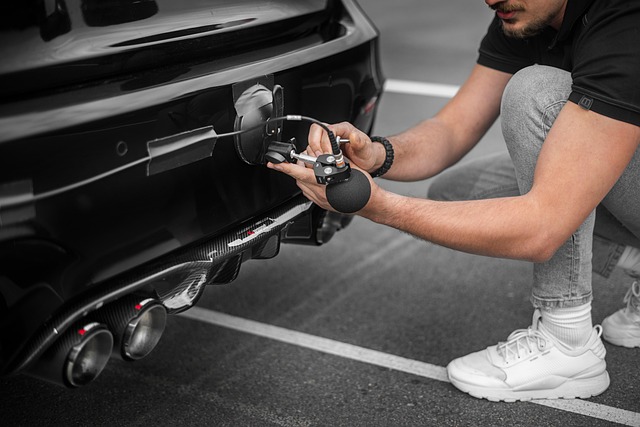
Before you can register your car in California, you’ll need to ensure it meets specific safety and emissions standards. One crucial step in this process is preparing your vehicle for the DMV inspection, which involves a thorough check of its VIN (Vehicle Identification Number). The California Department of Motor Vehicles (DMV) conducts a VIN verification process to confirm that your car’s identification information matches the records they have on file. This step is often part of the registration renewal process and can be conveniently completed through mobile vin verification services, allowing you to save time and avoid unnecessary visits to DMV offices.
During the inspection, DMV personnel will cross-reference data from your vehicle’s VIN with their databases. This includes checking for any recalls, outstanding warrants, or issues related to safety and emissions compliance. A mobile vin inspection service can provide this critical check remotely, offering added convenience. For instance, some services allow you to simply snap a photo of your car’s VIN plate and receive instant results about its history. This is particularly beneficial if you’re registering a vehicle out of state or have made recent modifications that might affect the registration process.
To ensure a smooth inspection, keep your vehicle’s documentation up-to-date. This includes maintaining accurate records of maintenance, repairs, and any modifications done to your car. Additionally, ensure the VIN plate on your vehicle is clear, legible, and not damaged. If for some reason the plate is unreadable, you may need to obtain a replacement from a licensed dealer or manufacturer. Remember, a successful DMV vin verification is pivotal in securing your car’s registration and ensuring compliance with California’s strict motor vehicle regulations.
Complete Online or In-Person Registration Application

To register your car in California, you’ll need to complete an application process that can be done either online or in person at a Department of Motor Vehicles (DMV) office. This crucial step involves submitting essential documentation and ensuring your vehicle meets all legal requirements. One critical aspect of this process is the DMV VIN verification, which ensures the accuracy of your vehicle’s unique identifier.
For a seamless experience, consider starting with the online registration option. The California DMV offers an efficient, user-friendly portal where you can fill out the registration application and upload necessary documents, including proof of ownership and insurance. During this process, you’ll be prompted to enter your Vehicle Identification Number (VIN) for verification purposes. This step is vital, as it helps prevent fraud and ensures only legitimate vehicles are registered. For instance, many online services now offer a mobile VIN inspection feature, allowing you to verify your vehicle’s details from the comfort of your home or on-the-go.
In some cases, you may prefer or be required to visit a local DMV office for in-person registration. When presenting your application, a DMV agent will perform a manual VIN verification by inspecting the physical label on your vehicle. This inspection ensures that the information on file matches the actual car. It’s advisable to double-check all details before visiting the DMV, including ensuring the accuracy of your VIN, as errors or discrepancies can cause delays in the registration process.
Remember, whether you choose online or in-person registration, a correct and accurate VIN is essential. The California DMV takes these verifications seriously to maintain the integrity of its records and ensure road safety. By staying informed about the requirements and utilizing available resources, such as mobile VIN inspection apps, you can streamline the registration process and get your vehicle on the road legally and efficiently.
Submit Proof of Insurance and Vehicle Identification Number (VIN) Verification by DMV

Registering a car in California involves several crucial steps, and submitting proof of insurance and ensuring accurate Vehicle Identification Number (VIN) verification by the DMV is paramount to a successful process. This stage demands meticulous attention to detail to maintain compliance with state regulations. The Department of Motor Vehicles (DMV) requires you to provide valid insurance documentation and confirm your vehicle’s VIN through a rigorous inspection.
One effective method to streamline this process is by utilizing a mobile vin verifier or undergoing a mobile vin inspection. These services offer the convenience of on-site verification, allowing you to address potential issues immediately. A simple online search for “mobile vin inspection” in California reveals numerous reputable providers, ensuring a swift and efficient experience. For instance, some companies utilize cutting-edge technology, such as GPS tracking and digital imaging, to record and transmit VIN data directly to the DMV, enhancing accuracy and security.
During the VIN verification process, DMV officials will cross-reference your vehicle’s information against their databases to ensure legitimacy. This step is essential to prevent fraud and illegal activity. It’s advisable to approach this phase with all necessary documentation in order, as missteps could delay your registration. Remember, a correct and timely vin inspection is not just a regulatory requirement but also safeguards your investment by minimizing the risk of future legal complications or insurance disputes.
Pay Car Registration Fees and Receive Your License Plate

Paying the car registration fees is a crucial step in the process of registering your vehicle in California. The California Department of Motor Vehicles (DMV) charges a fee for vehicle registration, which varies based on the type and weight of your vehicle. This fee covers various services, including road maintenance, safety inspections, and administrative costs. Once you’ve paid the required fees, the DMV will issue you a registration certificate and, in most cases, assign a unique license plate.
Receiving your license plate involves a few key steps. First, ensure that your vehicle passes the DMV’s emission standards and safety inspection. In many instances, this can be done simultaneously with the fee payment. After your vehicle is approved, you’ll be able to obtain your license plates. California offers both standard and custom license plates, allowing you to choose one that suits your preferences. A mobile vin inspection or mobile vin verification service might be beneficial if you’re unable to visit a DMV office, as these services allow for convenient and accurate vehicle identification number (VIN) checking, which is a critical part of the registration process, ensuring your car’s authenticity.
It’s important to keep in mind that late fees apply if you fail to renew your registration within the designated timeframe. To avoid penalties, it’s advisable to pay close attention to the expiration dates and complete the renewal process well before the deadline. Efficient management of this aspect of vehicle ownership not only ensures legal compliance but also helps maintain the safety and operational efficiency of your car.
Registering a car in California involves several straightforward steps, from gathering essential documents to completing applications and verifying your vehicle’s details with the DMV. Key takeaways include ensuring all required paperwork is in order, preparing your vehicle for inspection, and accurately providing your Vehicle Identification Number (VIN) during the dmv vin verification process. By following these steps diligently, you can efficiently navigate the registration procedure, securing your vehicle’s legal status and gaining peace of mind on California’s roads.