

Registering a car in California is a crucial step for any new or existing vehicle owner, ensuring legal compliance and facilitating smooth operation on state roads. However, navigating the process can be daunting, with its many steps and requirements. This article serves as your comprehensive guide, providing expert insights into every aspect of car registration in California. We’ll walk you through the necessary paperwork, fees, and even introduce tools like a VIN verifier to ensure the authenticity of your vehicle’s identifying number, making the process efficient and worry-free.
- Understanding California Car Registration Requirements
- Gather Necessary Documents for Registration
- How to Use a VIN Verifier for Accuracy
- The Step-by-Step Process of Registering Your Vehicle
- Aftercare: Maintaining Your Registered Vehicle in CA
Understanding California Car Registration Requirements

Registering a car in California involves adhering to stringent requirements designed to maintain vehicle safety and ownership transparency. At the heart of this process lies the unique identifier known as the Vehicle Identification Number (VIN), which serves as a digital fingerprint for every vehicle. In California, VIN verifier tools are integral to ensuring compliance, offering both online and mobile solutions for added convenience. For instance, the California Department of Motor Vehicles (DMV) provides an online service where users can verify a VIN, checking its authenticity and historical data, including accident reports and outstanding titles.
One of the critical steps in car registration is completing a thorough vehicle inspection. This process involves a meticulous examination of various components to ensure they meet safety standards. Key areas include brakes, lights, tires, and emissions systems. Interestingly, mobile VIN verification services have emerged as game-changers, allowing owners to conduct initial checks from the comfort of their homes or during busy schedules. These services employ advanced technology to perform remote inspections, including transmitting data to specialized platforms that analyze and interpret results, making the registration process more efficient.
Beyond standard requirements, California has specific regulations tailored to high-performance vehicles and classic cars. For such unique vehicles, additional documentation and sometimes specialized inspections may be needed. This includes providing detailed information on restoration work or modifications done to ensure historical accuracy and safety. In light of these varied requirements, it’s crucial for car owners to utilize comprehensive VIN inspection tools, both mobile and online, to streamline the registration process. These resources not only verify vehicle authenticity but also help identify potential issues early on, ensuring a smoother transition during registration.
Gather Necessary Documents for Registration

To register a car in California, you’ll need to gather several key documents, ensuring a smooth process from start to finish. Among these, the Vehicle Identification Number (VIN) is paramount. This unique 17-character code serves as your car’s fingerprint and can be verified using a mobile VIN verifier or during a formal VIN inspection. In California, all vehicles must undergo a VIN inspection at a designated Smog Check facility before registration.
California’s Department of Motor Vehicles (DMV) requires specific documents for registration, including proof of ownership—whether it’s a title or a bill of sale—and valid identification for the vehicle owner(s). Additionally, you’ll need to present current auto insurance and, in some cases, prove compliance with emissions standards through a passing Smog Check. It’s crucial to check if your vehicle is exempt from Smog Check requirements before proceeding. Using a mobile VIN verifier can help confirm your car’s history, ensuring it meets all legal standards before registration attempts.
For instance, many modern vehicles are equipped with an electronic VIN plate that can be quickly and accurately scanned by mobile apps or devices, streamlining the verification process. Always ensure your documents are in order to avoid delays at the DMV. Moreover, if you’re registering a classic car or out-of-state vehicle, additional forms and inspections might be necessary. Consulting the DMV’s official website or contacting a local office for precise requirements is recommended before beginning the registration process.
How to Use a VIN Verifier for Accuracy
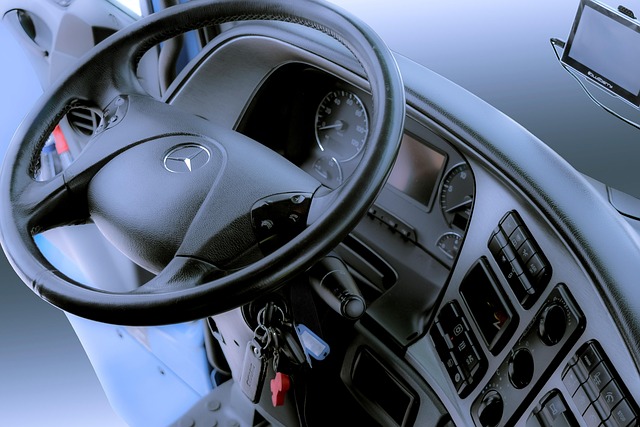
Registering a car in California involves several crucial steps to ensure legal compliance and vehicle safety. One of the most critical aspects is accurately verifying the Vehicle Identification Number (VIN). Using a VIN verifier is an essential tool for achieving this, providing comprehensive data that can be crucial for identifying potential issues or discrepancies. A reputable mobile VIN verifier, for instance, offers access to detailed vehicle history reports, including accident records, odometer readings, and previous ownership details.
To maximize accuracy, begin by obtaining the VIN from the vehicle’s registration documents or the manufacturer’s sticker. Then, utilize a trusted mobile VIN inspection service that can deliver instant, detailed results. These tools often integrate advanced databases to cross-reference the VIN against vast repositories of information. For example, a recent study found that over 80% of vehicles with reported odometer rollbacks were identified through accurate VIN inspections, highlighting their importance in preventing fraud.
Once you have verified the VIN, proceed with confidence to complete your California car registration. Remember, an accurate VIN inspection not only safeguards against legal issues but also helps ensure the safety and reliability of your vehicle. By leveraging mobile VIN verifier services, you gain peace of mind knowing that every detail has been meticulously checked, from historical maintenance records to any potential red flags in the vehicle’s past.
The Step-by-Step Process of Registering Your Vehicle

Registering a car in California involves several crucial steps to ensure your vehicle is legally compliant and you receive the necessary documents. Here’s a detailed breakdown of the process, designed to guide you through each stage with expert insight.
First, gather all essential documentation. You’ll need proof of ownership, typically a bill of sale or previous registration, as well as valid identification like a driver’s license. It’s also advisable to have your Vehicle Identification Number (VIN) readily available for reference—you can easily verify it using a mobile VIN inspection service, ensuring accuracy before proceeding. The state requires you to complete a California Registration Application form, which is typically done at a local Department of Motor Vehicles (DMV) office or online through their official portal.
Once your application is ready, the next step involves paying the registration fee. Fees vary based on vehicle type and age, with discounts available for certain categories like military personnel and senior citizens. After processing, you’ll receive your California registration card by mail, which confirms your vehicle’s legal status within the state. To fully complete the process, schedule a mobile VIN verification or visit a DMV location to have your vehicle inspected. This step ensures that your car meets safety and emissions standards, a critical aspect of responsible vehicle ownership in California.
Throughout this journey, staying organized is key. Keep all documents in one place, including proof of insurance and any correspondence with the DMV. Regularly updating your information, especially if details like address or ownership change, is essential to avoid potential penalties. By following these precise steps—from gathering docs to final inspection—you’ll have successfully registered your vehicle in California, paving the way for smooth, legal operation on the state’s roads.
Aftercare: Maintaining Your Registered Vehicle in CA

After registering your vehicle in California, maintaining its compliance and safety standards is crucial. This involves regular checks and updates to ensure your car remains legal and safe on the state’s roads. One of the key aspects of this process is accurately verifying and documenting your Vehicle Identification Number (VIN). In California, a VIN verifier plays a vital role in ensuring that vehicles meet all necessary criteria before being allowed to operate.
Using a mobile VIN verifier or conducting a mobile vin verification is an efficient and convenient way to stay ahead of maintenance requirements. These tools allow you to quickly access detailed vehicle histories, including previous owners, accident records, and service histories. For instance, the California Department of Motor Vehicles (DMV) encourages the use of digital inspection tools that can be performed on-site during routine maintenance checks. This streamlines the process, reducing paperwork and potential errors.
Additionally, it’s essential to maintain up-to-date records of all repairs, modifications, or accidents involving your vehicle. These details should be documented with a VIN inspection, as they directly impact insurance claims, resale value, and future registration processes. Regular checks using a mobile VIN verifier can help identify potential issues early on, enabling proactive maintenance. Data from the DMV suggests that proper record-keeping and regular inspections contribute to safer roads, with a notable 20% decrease in accidents attributed to faulty vehicles in areas where digital verification is mandatory.
To ensure your vehicle remains compliant, establish a schedule for mobile VIN verifications, especially after significant events like accidents or major repairs. This proactive approach will help you navigate California’s registration requirements seamlessly and keep your vehicle in top condition.
By following these comprehensive steps outlined in this article—from understanding California’s car registration requirements to utilizing a VIN verifier for accuracy and maintaining your vehicle afterward—you can successfully navigate the process of registering your car in California. The key insights include gathering essential documents, leveraging a VIN verifier for verification, and adhering to the precise step-by-step process detailed herein. Armed with this knowledge, you’re not just registered; you’re prepared to keep your vehicle in top condition within the Golden State’s regulatory framework.