

Looking to register your car in California? This comprehensive guide walks you through the entire process, ensuring a smooth experience. From understanding key requirements for car registration in California to gathering essential documents, visiting the DMV, verifying the VIN (using a reliable DMV vin verifier), and paying fees—we’ve got you covered. Follow these steps precisely to secure your vehicle’s registration without hassle.
- Understand the Requirements for Car Registration in California
- Gather Necessary Documents for Car Registration
- Visit the DMV and Complete the Registration Process
- Verify the VIN (Vehicle Identification Number) Accurately
- Pay the Required Fees and Receive Your Registration Documents
Understand the Requirements for Car Registration in California

Before diving into the registration process, it’s crucial to understand the requirements for car registration in California. The state Department of Motor Vehicles (DMV) has specific guidelines that must be followed to ensure a smooth and legal transaction. One key step involves utilizing a DMV VIN verifier to confirm the vehicle’s identity and history, which is essential for preventing fraud and ensuring the safety of California roads.
Additionally, considering alternatives like a mobile VIN verifier or mobile VIN inspection can save you time and effort. These services allow you to verify a vehicle’s information remotely, providing peace of mind and convenience throughout the registration process. Remember that adhering to these requirements not only complies with state laws but also contributes to maintaining a secure and efficient transportation system in California.
Gather Necessary Documents for Car Registration

Before you start the car registration process in California, it’s crucial to gather all the essential documents. The DMV (Department of Motor Vehicles) will require several key pieces of information and materials to ensure a smooth registration. Among these, the Vehicle Identification Number (VIN) is paramount. You can use a DMV VIN verifier or a mobile vin verification service to obtain this unique 17-character code, which identifies your car’s make, model, and year. This digital inspection ensures accuracy and saves you time at the DMV.
Additionally, prepare other necessary documents such as proof of insurance, title (if applicable), and identification like a driver’s license or state-issued ID card. A mobile vin verifier can assist in the VIN inspection process, making it easier to verify these details and expediting your car registration in California.
Visit the DMV and Complete the Registration Process

After gathering your necessary documents and ensuring your vehicle meets all requirements, it’s time to visit a California DMV office. The registration process typically involves several steps. First, you’ll need to present your vehicle’s unique identification number (VIN) using a DMV vin verifier or a mobile vin inspection. This step is crucial as it verifies the vehicle’s history and ensures it’s not stolen or has any outstanding issues.
Once your VIN is verified, you can fill out the registration application form with your personal information and vehicle details. Bring along proof of insurance, payment for fees, and any additional documentation required by the DMV. An agent will review your application and conduct a final inspection of your vehicle before processing the registration, which typically takes around 15-20 minutes.
Verify the VIN (Vehicle Identification Number) Accurately
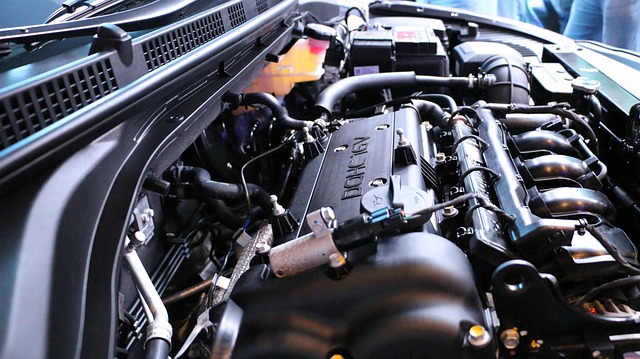
When preparing to register your car in California, one of the crucial steps is verifying your Vehicle Identification Number (VIN) accurately. This unique 17-character code is essential for identifying your vehicle and ensures a smooth registration process with the Department of Motor Vehicles (DMV). Many online tools and apps claim to be DMV vin verifiers, but it’s important to use reliable and official channels to avoid any discrepancies.
A mobile vin inspection or verification service can be beneficial, as these professionals are equipped with the necessary tools to confirm your VIN accuracy in real time. This is especially useful if you’re purchasing a used car, as the seller might not have all the paperwork readily available. Ensure that the person conducting the vin inspection has access to the vehicle’s title and registration documents for a comprehensive check.
Pay the Required Fees and Receive Your Registration Documents

After submitting your application and documents, the next step is to pay the required fees. The California DMV charges a fee for vehicle registration, which varies based on factors like the type of vehicle and its age. You can usually pay online, by phone, or in person at any DMV office. Once your payment is processed, you’ll receive your registration documents, including a vehicle registration card and a license plate.
Don’t forget to use the DMV’s Vin Verifier tool for a seamless process. This service allows you to confirm your vehicle’s history and identify potential issues before registration. For added convenience, consider using a mobile vin verification or inspection service, which enables you to complete these steps from the comfort of your home.
Registering a car in California involves understanding specific requirements, gathering essential documents, and completing a straightforward process at the DMV. Accurately verifying the Vehicle Identification Number (VIN) using a reliable DMV VIN verifier is crucial to ensure all details match. By following these steps and providing the necessary fees, you’ll receive your registration documents, making your vehicle legal on California roads.