

Looking to register your car in California? This comprehensive guide breaks down the process, from understanding key requirements to avoiding common mistakes. First, grasp the fundamentals of California’s car registration process and the crucial role of DMV VIN verification. Next, assemble the necessary documents. Then, follow our step-by-step instructions for a smooth registration. Learn important post-registration considerations and what to steer clear of during this essential procedure.
- Understanding the California Car Registration Process
- Gathering Required Documents for DMV Vin Verification
- The Step-by-Step Guide to Registering Your Vehicle
- Important Considerations After Registration Completion
- Common Mistakes to Avoid During the Registration Process
Understanding the California Car Registration Process

Understanding the California Car Registration Process
In California, registering a car involves several steps that ensure vehicle safety and compliance with state laws. The process begins with a thorough inspection to verify the Vehicle Identification Number (VIN), known as a DMV VIN verification. This step is crucial in identifying the vehicle’s make, model, year, and other critical details, which are then cross-referenced against state records. A mobile vin verifier or mobile vin inspection can be particularly convenient during this phase, allowing for on-site verifications that streamline the registration process.
After successful VIN verification, you’ll need to gather essential documents, such as proof of insurance, a completed application form, and payment for the registration fee. These materials are submitted at a California Department of Motor Vehicles (DMV) office, where your vehicle will be inspected further to ensure it meets safety standards. This comprehensive approach ensures that only safe and properly documented vehicles are registered, contributing to the overall road safety in California.
Gathering Required Documents for DMV Vin Verification

To register your car in California, preparing for the DMV VIN verification process is crucial. The first step involves gathering all necessary documents. You’ll need the vehicle’s registration certificate from the previous state (if applicable), proof of insurance, and a valid driver’s license. Additionally, ensure you have the vehicle’s Vehicle Identification Number (VIN) available—this unique code is essential for the inspection. A common method to obtain this information quickly is through a mobile VIN verification service or app that can provide digital access to your car’s details.
For a smoother process, consider having these documents ready before visiting the DMV. The California Department of Motor Vehicles (DMV) will verify the VIN and ensure it matches the vehicle’s components and documentation. This step is integral to confirming ownership and ensuring the vehicle meets safety standards, thus facilitating the registration procedure.
The Step-by-Step Guide to Registering Your Vehicle

Registering a car in California involves several straightforward steps, ensuring your vehicle is safe for road use and complies with state regulations. Here’s a step-by-step guide to help you through the process. First, gather all necessary documents including your driver’s license, proof of insurance, and the Vehicle Identification Number (VIN) from your car. You can perform a DMV VIN verification online or in person at any California Department of Motor Vehicles (DMV) office to ensure the vehicle’s history is clean and not reported as stolen.
Once your VIN inspection is complete and you’ve verified the vehicle’s status, proceed to fill out a registration application. This typically includes providing personal information, details about your vehicle, and paying the required fees. For added convenience, some services offer mobile VIN verification and inspection, allowing you to complete these steps from the comfort of your home or on the go. This streamlined approach ensures a faster and more efficient car registration process in California.
Important Considerations After Registration Completion
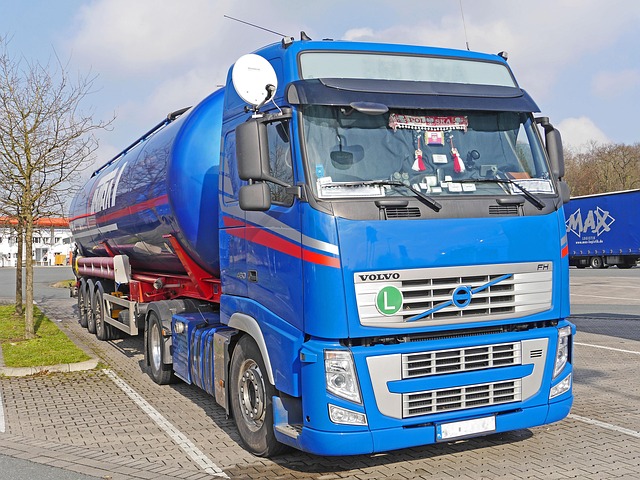
After successfully registering your car with the DMV in California, there are several crucial considerations to keep in mind. One key step is to ensure proper vehicle maintenance and documentation. Regularly inspect your car for any damage or mechanical issues and maintain accurate records of all repairs and services. This not only ensures the safety of your vehicle but also simplifies future registration processes.
Additionally, take advantage of modern tools like mobile VIN inspection and verification services. These convenient options allow you to quickly and easily validate your vehicle’s identity (VIN) using a smartphone app or online platform. By utilizing these technologies, you can streamline potential DMV visits and enjoy peace of mind knowing that your car’s registration is in order.
Common Mistakes to Avoid During the Registration Process

When registering your car in California, avoiding common mistakes can save time and potential headaches. One frequent blunder is neglecting the DMV VIN verification process. Every vehicle has a unique Vehicle Identification Number (VIN), and it’s crucial to ensure its accuracy during registration. Failing to verify this critical piece of information can delay or even prevent successful registration.
Another mistake to steer clear of is relying solely on traditional vin inspection methods. Opting for mobile vin verification services, which offer convenience and swiftness, can be beneficial. These services allow you to confirm your VIN details remotely, ensuring all necessary information aligns with the California DMV’s requirements. This proactive approach helps prevent delays caused by incorrect data entry or missing documents.
Registering a car in California involves several straightforward steps, from understanding the process and gathering necessary documents for DMV VIN verification to completing the registration itself. By following our step-by-step guide and considering important post-registration matters, you’ll ensure a smooth transition into California’s automotive community. Remember to avoid common mistakes to make this experience as hassle-free as possible.